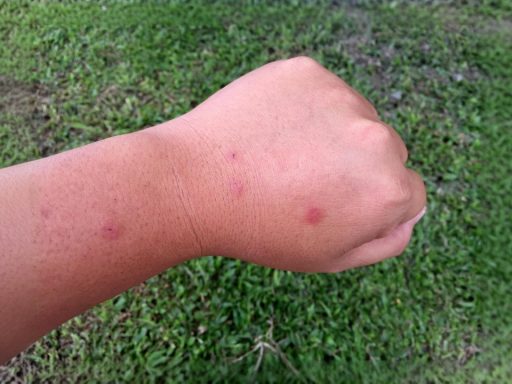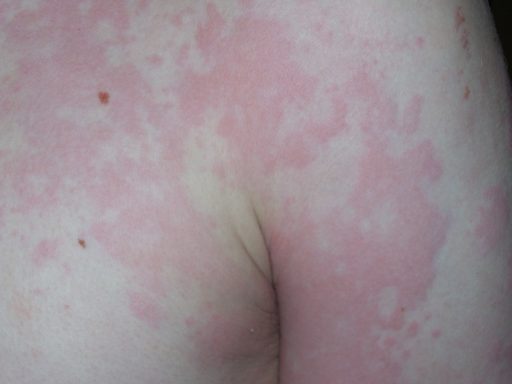


Angioedema is a swelling condition that affects the deeper layers of the skin and the tissue beneath it. It often resembles hives, and the two conditions frequently occur together, but angioedema has its own causes, its own patterns, and its own set of emergency warning signs.
While a typical hive is a raised welt on the surface of the skin, angioedema produces a smoother, puffier swelling that often affects the lips, eyelids, tongue, cheeks, hands, feet, or genitals. The swelling may not itch as much as hives, but it can feel tight, hot, burning, or painful.
Most angioedema is caused by a chemical mediator — most often histamine — leaking fluid into the tissue. However, some forms are triggered by a different mechanism, called bradykinin, and those cases do not respond to antihistamines. Understanding which type you may be dealing with is the reason an accurate evaluation matters.
Angioedema vs. Hives
Because the two conditions share symptoms, it is useful to know the differences:
- Depth: hives form raised welts on the skin’s surface, while angioedema causes swelling in the deeper tissue
- Appearance: angioedema usually looks smooth and puffy rather than forming distinct raised bumps
- Itching: hives are typically very itchy, while angioedema is more likely to feel tight, tender, or warm
- Duration: both usually fade within a few days, but angioedema episodes can occasionally last longer
- Connection: many people have both, but you can develop angioedema without any hives
Swelling of the lips, tongue, or throat is the feature of angioedema that demands the most attention. Understanding the symptoms of angioedema can help you distinguish this swelling from an ordinary hives rash.
What Are the Symptoms of Angioedema?
Common angioedema symptoms include:
- Puffy swelling of the lips, eyelids, cheeks, or ears
- Swelling of the tongue, throat, or floor of the mouth
- Swelling of the hands, feet, arms, legs, or genital area
- A tight, stretched, or rubbery feeling in the affected skin
- Warmth, burning, tenderness, or pain in the swollen area
- Itching, although this is usually less intense than the itching of hives
- Red or skin-colored raised welts appearing over or near the swelling
Some people also experience abdominal pain, cramping, nausea, or vomiting when swelling affects the gastrointestinal tract. This can happen without obvious swelling on the skin and may occur with hereditary angioedema.
Not everyone with angioedema develops hives at the same time, and some people have angioedema without any itching or visible welts.
What Causes Angioedema?
Angioedema falls into several broad categories, and the category determines how it is treated.
Histamine-mediated angioedema
This is the most common form. It results from the immune system releasing histamine and other chemical mediators, which allow fluid to leak from small blood vessels into surrounding tissue. Common triggers include:
- Medications such as ACE inhibitors, which are frequently used to treat high blood pressure
- Antibiotics and other drugs
- Foods including shellfish, eggs, peanuts, tree nuts, milk, fish, and certain seeds
- Insect stings or bites
- Pollen and other environmental allergens
- Animal dander
- Physical triggers such as cold, heat, sunlight, pressure, or friction
- Infections and, less commonly, certain autoimmune conditions or lymphomas
Histamine-mediated angioedema usually responds to antihistamines, and it often occurs alongside hives.
Bradykinin-mediated angioedema
In this form, a substance called bradykinin causes the fluid leakage. It tends to produce deeper swelling, often without itching or hives, and it does not respond to antihistamines, steroids, or epinephrine. Forms include:
- Hereditary angioedema, an inherited condition caused by a deficiency or dysfunction of a protein called C1 inhibitor
- Acquired C1 inhibitor deficiency, which can develop later in life
- Angioedema triggered by ACE inhibitors
- Idiopathic angioedema, in which no cause can be identified
If your swelling is deep, lasts longer than a routine reaction, does not respond to antihistamines, or runs in your family, these types are worth discussing with a clinician. You can learn more about the causes of angioedema and the inherited form in our guide to hereditary angioedema.
How Long Does Angioedema Last?
A typical episode of angioedema lasts between a few hours and two to three days. In histamine-mediated cases, the swelling often improves sooner after taking an antihistamine. In bradykinin-mediated angioedema, attacks may last two to five days and typically do not respond to antihistamines.
Some people experience recurring episodes over months or years. If swelling keeps returning without an obvious trigger, it is worth evaluating rather than simply treating each episode in isolation.
Angioedema Treatment
Treatment depends on the type of angioedema and how severe it is.
Histamine-mediated angioedema
Non-sedating antihistamines are the usual first step, and a clinician may recommend a higher dose when standard treatment is not enough. If swelling is accompanied by hives, an oral corticosteroid may sometimes be added for a severe flare. Because ACE inhibitors are a well-known cause, anyone who develops angioedema while taking one should contact their prescribing clinician promptly — never stop it on your own without medical advice.
Bradykinin-mediated angioedema
Because this type does not respond to antihistamines, treatment is different. Options may include C1 inhibitor concentrate, icatibant, and, for hereditary angioedema, preventive therapy such as lanadelumab or berotralstat. These are prescription treatments that require specialist supervision. A clinician can confirm the type of angioedema and select the appropriate approach.
Home care and prevention
For mild histamine-mediated episodes, cool compresses applied for 10 to 15 minutes at a time can soothe the skin, and keeping the affected area elevated may reduce swelling. Staying hydrated and avoiding known triggers can also help. If you are experiencing hives alongside the swelling, our hives treatment page explains the treatment options and when a medical evaluation makes sense.
Is Angioedema Dangerous?
Angioedema can be dangerous when the throat or tongue swells enough to obstruct the airway. Airway involvement is uncommon, but it can progress quickly, and swelling of the tongue or throat should always be treated as an emergency.
Call 911 or go to the nearest emergency department immediately if angioedema is accompanied by:
- Difficulty breathing, wheezing, or a hoarse, muffled, or difficult voice
- Swelling of the tongue, lips, or throat
- Difficulty swallowing or drooling
- Lightheadedness, fainting, or confusion
- A widespread reaction with vomiting, severe abdominal pain, or a sense of impending doom
These symptoms may indicate anaphylaxis. If you have been prescribed an epinephrine auto-injector, use it as directed and call 911 even if symptoms begin to improve. People with a known history of serious angioedema should also ask their clinician about an emergency action plan and medical alert identification.
When to See a Doctor for Angioedema
Arrange a medical appointment if:
- An episode lasts longer than several days
- Swelling keeps returning or has no obvious trigger
- The swelling is severe, recurrent, or affects your ability to eat, speak, or work
- You have abdominal pain or cramping along with swelling
- Other family members have experienced similar swelling
Blood tests can help distinguish histamine-mediated from bradykinin-mediated angioedema, and genetic testing may be appropriate for hereditary forms. A specialist can also review your medications and family history to narrow down the cause.
Can Angioedema Be Cured?
Whether angioedema can be resolved depends on its cause. When a specific trigger is identified and removed — for example, switching away from a medication that is responsible — episodes may stop completely. Histamine-mediated angioedema that is allergy-related can often be prevented by avoiding the trigger and treating reactions early.
Hereditary and other bradykinin-mediated forms are different. The underlying protein deficiency or enzyme issue is ongoing, but attacks can often be prevented or substantially reduced with targeted prescription therapy, including preventive treatment for people who have frequent attacks.
Identifying the type is the single most useful step, because treatments that work for histamine-mediated angioedema generally do not work for bradykinin-mediated angioedema.
Frequently Asked Questions
Is angioedema the same as hives?
No. Hives are raised welts on the surface of the skin, while angioedema is swelling in the deeper tissue. Many people have both at the same time, but you can have angioedema without hives and vice versa.
Can you have angioedema without hives?
Yes. It is particularly common with bradykinin-mediated angioedema, including hereditary angioedema, where deep swelling often occurs without itchy welts.
Does angioedema itch?
Sometimes, but itching is usually less prominent than with hives. The swollen area more often feels tight, stretched, warm, or tender. If itching is intense and accompanied by raised welts, hives may also be present.
What is the difference between angioedema and hives on the face?
Facial hives are raised, itchy welts on the skin, while facial angioedema is smoother, deeper puffiness that typically affects the lips, eyelids, and cheeks. Because facial swelling can threaten the airway, it is important to recognize the difference between the two.
How quickly does angioedema go away?
Most histamine-mediated episodes improve within two to three days and often sooner with treatment. Bradykinin-mediated attacks commonly last longer and do not respond to antihistamines.
Can angioedema be caused by stress?
Stress does not cause most angioedema. It can worsen hives and make symptoms feel more intense, and stress may play a role in some people’s recurring attacks, but it is not a substitute for identifying histamine-mediated or bradykinin-mediated causes.