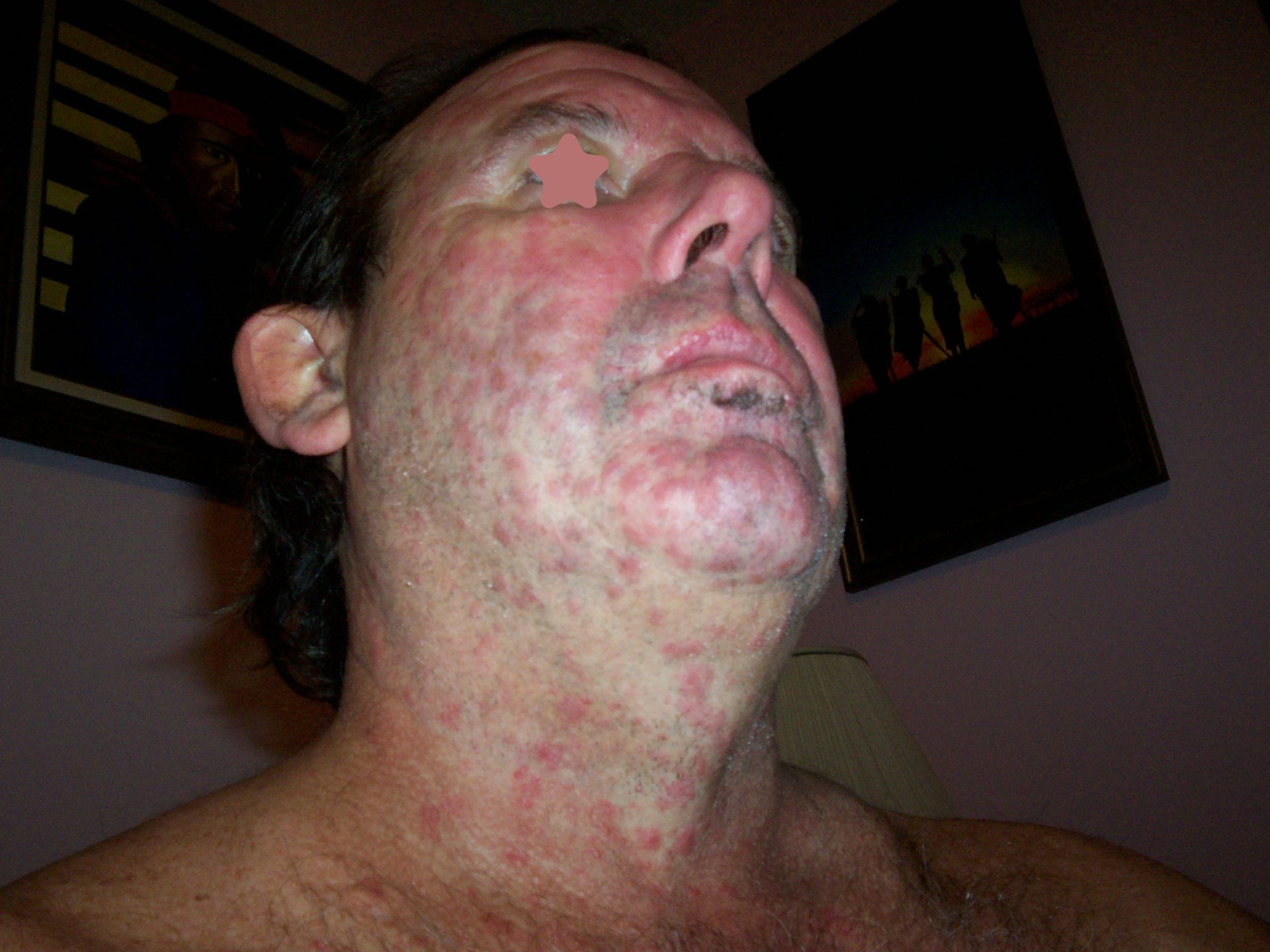
Chronic hives, also called chronic urticaria, are raised, itchy welts that continue to appear for more than six weeks. Hives that clear up in less than six weeks are classified as acute hives (acute urticaria).
With chronic hives, an individual welt usually fades within 24 hours, but new welts keep developing, often in different areas of the body. This cycle of fading and reappearing can continue for months or even years, which is what makes chronic hives so frustrating for the people who live with them.
Chronic hives are not contagious and are rarely dangerous on their own. However, some people also develop swelling beneath the skin known as angioedema, which can affect the lips, tongue, or throat and may become a medical emergency.
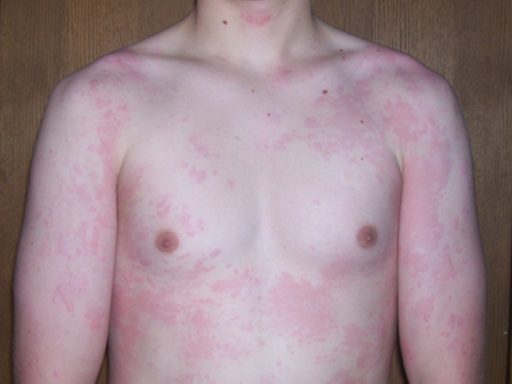
What Do Chronic Hives Look Like?
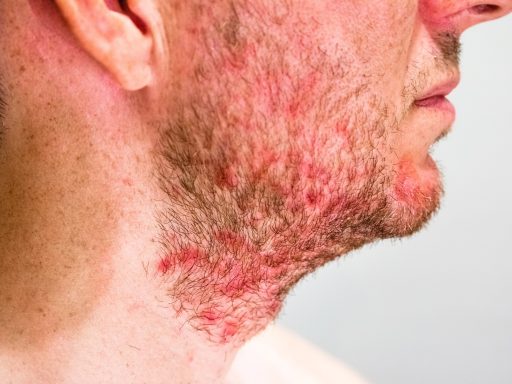
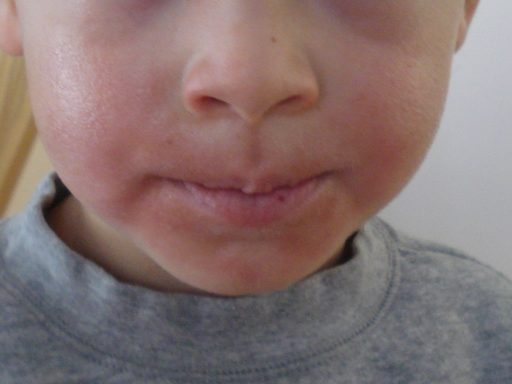
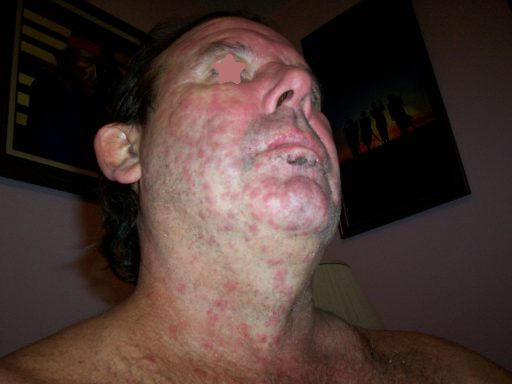
Chronic hives appear as raised welts, also called wheals, on the skin. They may be red, pink, or nearly the same color as the surrounding skin, and they often have a paler center with a flushed border. Each welt may:
- Look like a small round bump, a ring, or a larger irregular patch
- Be intensely itchy, burning, or stinging, though some people have little or no itching
- Change size and shape within a few hours
- Appear in one area and later show up somewhere else
- Fade without leaving a scar or permanent mark
Because old welts disappear while new ones form, chronic hives can seem to travel across the body. Hives can develop anywhere, but they are especially common on the arms, legs, torso, neck, and face.
Comparing your rash to pictures of hives can be a useful first step, but a photo cannot confirm a diagnosis. Several other conditions — including insect bites, contact dermatitis, eczema, and skin infections — can look similar, which is why a persistent rash deserves an evaluation.
What Causes Chronic Hives?
Chronic hives are usually the result of an ongoing inflammatory response in the skin rather than a single allergen that entered the body once. The immune system releases histamine and other chemical messengers that cause blood vessels to leak fluid into the surrounding tissue, producing swelling, itching, and the characteristic welts.
For most people with chronic spontaneous urticaria, no single cause is ever identified. In these cases, the immune system appears to have become unusually reactive, sometimes producing antibodies that trigger mast cells in the skin to release histamine even without an outside allergen. This is why the condition is sometimes called idiopathic urticaria: idiopathic simply means the trigger is unknown.
Less often, symptoms are linked to a specific and repeatable trigger. Potential contributors include:
- Physical triggers such as heat, cold, sweat, pressure, friction, sunlight, or vibration
- Medications, particularly aspirin and other NSAIDs, which can worsen hives in some people
- Infections, including some viral and bacterial infections that can set off or aggravate urticaria
- Underlying conditions such as autoimmune thyroid disease
- Stress and poor sleep, which tend to worsen existing hives rather than create them on their own
Foods are blamed for chronic hives far more often than they are actually responsible. True food-triggered hives usually appear within minutes to a couple of hours of eating and are typically acute rather than chronic. Eliminating whole food groups for months without medical guidance can lead to unnecessary nutritional problems and rarely solves chronic urticaria.
Chronic Hives vs. Other Types of Urticaria
Hives are classified by how long they last and by what sets them off. Understanding the difference can help you describe your symptoms clearly and get the right kind of care.
Chronic spontaneous urticaria
When hives recur for more than six weeks with no consistent external trigger, the diagnosis is chronic spontaneous urticaria. This is the most common form of chronic hives. Many people who describe their breakouts as stress hives actually have chronic spontaneous urticaria that flares during stressful periods.
Chronic inducible urticaria
Inducible urticaria develops reliably after a specific physical stimulus. Examples include:
- Heat hives (cholinergic urticaria), triggered by sweating, exercise, hot showers, or a rise in body temperature
- Cold hives (cold urticaria), triggered by cold air, cold water, or cold drinks
- Dermatographic urticaria, in which scratching or firm pressure raises a line of welts
- Delayed pressure urticaria, appearing hours after tight clothing, straps, or sitting on a hard surface
- Solar urticaria, triggered by sunlight exposure
- Aquagenic urticaria, a rare form triggered by contact with water
Acute urticaria
Acute hives begin suddenly and resolve within six weeks. They often follow a viral illness or an exposure to a food, medication, or insect sting. Someone who has had chronic hives in the past can still have a separate episode of acute hives.
Common Triggers and Everyday Flare-Ups
Even when the underlying cause of chronic hives cannot be found, certain factors reliably make symptoms worse. Keeping a simple symptom diary for a few weeks can reveal patterns worth discussing with a clinician. Commonly reported aggravating factors include:
- Heat, sweating, hot showers, saunas, and vigorous exercise
- Cold air, cold water, or rapid changes in temperature
- Scratching, rubbing, tight clothing, belts, watchbands, and bag straps
- Sunlight exposure
- Alcohol, which can cause flushing and increase itching
- Aspirin, ibuprofen, and other NSAIDs
- Stress, anxiety, and disrupted sleep
- Viral illnesses and other infections
Never stop a prescribed medication on your own. If you suspect a drug is worsening your hives, contact the prescribing clinician, who can advise on alternatives. This is especially important with ACE inhibitors, which can cause angioedema with or without hives.
Chronic Hives Treatment
Chronic hives are treatable, even when the cause remains unknown. The goal of treatment is to control itching, prevent new welts, and restore normal sleep, work, and daily life. Current guidelines from allergy and dermatology organizations recommend a stepwise approach.
Step 1: Non-sedating antihistamines
Second-generation H1 antihistamines such as cetirizine, loratadine, fexofenadine, levocetirizine, or bilastine are the first-line treatment for chronic urticaria. They are taken daily rather than only when a rash appears, because consistent use controls the condition more effectively than intermittent dosing. If the standard dose does not control symptoms, a clinician may recommend a higher dose of the same medication, which is a recognized and often effective strategy.
Step 2: Add-on therapy
When antihistamines are not enough, the next step is usually omalizumab, an injectable biologic approved for chronic spontaneous urticaria. Other options, including cyclosporine, may be considered in selected patients who do not respond to the earlier steps. Short courses of oral corticosteroids are sometimes used to calm a severe flare, but they are not appropriate for long-term control because of cumulative side effects.
Step 3: Treating what can be treated
If testing identifies an underlying contributor — such as thyroid disease or another associated condition — treating that condition may improve hives as well. Identifying and avoiding genuine physical triggers, where possible, can also reduce the frequency of flares.
If you are currently dealing with hives and want to understand which options may suit your situation, visit our hives treatment page to review the latest treatment approaches for a hives outbreak.
How to Get Relief at Home
Home care will not cure chronic hives, but it can make the waiting period more tolerable and reduce the urge to scratch:
- Apply a cool, damp cloth or a cool pack wrapped in a towel to itchy areas for 10 to 15 minutes at a time
- Keep the skin cool and avoid hot showers, heavy bedding, and overheating
- Wear loose, soft clothing and loosen tight waistbands, straps, and cuffs
- Use mild, fragrance-free soaps, moisturizers, and laundry detergents
- Take recommended antihistamines consistently rather than waiting for symptoms to escalate
- Limit alcohol during flares, since it can worsen itching and flushing
- Protect sleep and build in stress-reduction practices, both of which affect how distressing itching feels
Scratching and rubbing worsen hives and can deepen the itch-scratch cycle. Avoid applying strong essential oils, numbing creams, or unproven remedies to widespread welts, because they can irritate the skin or cause a contact reaction. Oral antihistamines are generally more effective than topical treatments for hives.
Are Chronic Hives Dangerous?
For most people, chronic hives are uncomfortable rather than dangerous. The bigger risks are the effects on quality of life: lost sleep, difficulty concentrating, missed work or school, anxiety, and in some cases depression. These are legitimate reasons to seek treatment rather than simply waiting for the hives to stop.
A significant number of people with chronic hives also experience angioedema, which is deeper swelling in the lips, eyelids, hands, feet, or genitals. Angioedema that affects the tongue or throat can interfere with breathing and requires emergency care.
Rarely, hives can be a sign of a different problem, including an underlying autoimmune condition, a thyroid disorder, or inflammation of the blood vessels. This is one reason hives that do not respond to standard treatment deserve closer evaluation.
When to Seek Urgent Care
Call 911 or go to the nearest emergency department if hives are accompanied by any of the following:
- Difficulty breathing, wheezing, or a hoarse or muffled voice
- Swelling of the tongue, lips, or throat, or difficulty swallowing
- Faintness, confusion, severe weakness, or a racing pulse
- Widespread hives with vomiting, abdominal pain, or a feeling of impending doom
These signs suggest anaphylaxis rather than uncomplicated hives. If a clinician has prescribed an epinephrine auto-injector, use it as directed and call 911, even if symptoms improve.
Schedule a medical appointment if your hives:
- Last longer than six weeks or keep coming back
- Interfere with sleep, work, or daily activities
- Do not improve with an over-the-counter antihistamine
- Are accompanied by fever, painful skin, or purple or bruise-like spots that do not fade when pressed
- Include individual welts that stay in one place for more than 24 to 48 hours
Can Chronic Hives Go Away on Their Own?
Yes, chronic hives can resolve, but there is no reliable way to predict when. Many people improve within a year, while others have symptoms on and off for several years. Even in cases where the cause is never found, treatment usually reduces the frequency and severity of flares and makes the condition far more manageable.
A diagnosis of chronic hives is based on your history and a physical examination, not on how severe the rash looks on any given day. If you are seeking answers for hives that keep returning, the next step is a proper evaluation rather than another round of guessing.
Frequently Asked Questions
How long do chronic hives last?
Chronic hives are defined by symptoms that persist or recur for more than six weeks. Each individual welt typically lasts less than 24 hours, but new welts continue to form, so the overall condition can last for months or years.
Are chronic hives contagious?
No. Hives are not contagious. You cannot pass urticaria to another person through touch, shared objects, or close contact, and you do not need to isolate.
Can stress cause chronic hives?
Stress can make hives worse and may trigger flares in someone who already has the condition, but stress alone is rarely the sole cause of chronic urticaria. Most chronic hives involve an immune response in the skin that continues regardless of mood, which is why treatment focuses on controlling that response.
Is chronic urticaria a sign of an autoimmune disease?
Chronic spontaneous urticaria is itself an immune-mediated condition, and some people with it also have autoimmune thyroid disease or other autoimmune disorders. Most people with chronic hives do not have a serious systemic disease, which is why testing is guided by symptoms and examination rather than ordered automatically.
Can antihistamines cure chronic hives?
Antihistamines do not cure chronic hives, but they control symptoms effectively for many people and allow the condition to run its course more comfortably. They work best when taken daily as directed rather than only during a flare.
Do chronic hives leave scars?
Uncomplicated chronic hives do not leave scars. If marks or discoloration remain, the rash may be something other than ordinary urticaria and should be evaluated.
Should I change my diet to treat chronic hives?
Routine elimination diets are not recommended for chronic hives, because food is rarely the cause. If you notice a consistent reaction to a specific food within a couple of hours of eating it, discuss that pattern with a clinician before removing it from your diet.
What is the difference between chronic hives and chronic idiopathic urticaria?
They describe the same clinical picture. Chronic idiopathic urticaria is an older term for chronic hives with no identifiable external trigger; the preferred modern term is chronic spontaneous urticaria.