

Cold Hives: Symptoms, Triggers and Safety Tips
Cold urticaria is a physical urticaria in which skin exposed to cold develops itchy welts, usually within minutes of rewarming. It can be triggered by cold air, wind, cold water, ice, or even cold drinks and foods. Reactions range from small patches to widespread hives.
Symptoms of Cold Urticaria
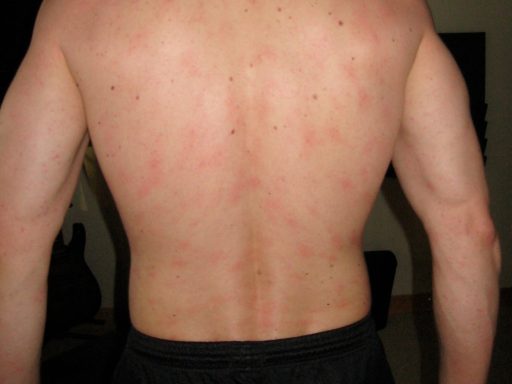
Typical signs include red, itchy, raised welts on skin that was cold, burning or stinging, and swelling of the hands or lips after holding cold objects or drinking something icy. Some people notice headache, fatigue or joint aches. Reactions often peak as the skin warms back up.
Why Cold Water Needs Extra Caution
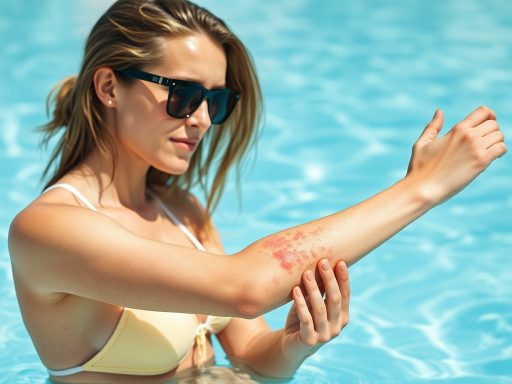
Swimming or being submerged in cold water can cause a body-wide reaction, including low blood pressure and fainting. This has led to drowning in people who did not know they had the condition. If you suspect cold urticaria, do not swim alone in cold water until a doctor has evaluated you.
How Doctors Test for Cold Urticaria
The classic test places an ice cube in a thin plastic bag on the forearm for a few minutes. A raised welt that appears as the skin rewarms supports the diagnosis. Your doctor may also check for underlying causes, since some cases follow infections. Cold-triggered swelling is sometimes confused with angioedema.
Treatment and Prevention
Non-sedating antihistamines, sometimes at higher doses under medical supervision, are first-line. Dress in layers, cover exposed skin, avoid sudden cold exposure, and sip cold drinks slowly. People at risk of severe reactions may be prescribed an epinephrine auto-injector. Learn more about the different types of hives.
When to Call 911
Do not wait it out: hives with shortness of breath, noisy breathing, a hoarse voice, swelling of the tongue or throat, dizziness, a racing pulse, or repeated vomiting are signs of a possible severe allergic reaction (anaphylaxis). Call 911 immediately.
When to See a Doctor
See a doctor if your symptoms last more than a few days, keep coming back, cover large areas, or interfere with sleep or daily life. The Hives Treatment Center, founded by Dr. Tiffany Young, is a San Francisco practice that evaluates and treats cold urticaria in person and online.
Related Reading
You may also find these guides helpful: causes of hives and hives symptoms.
Frequently Asked Questions About Cold Urticaria
How long does cold urticaria last?
Individual hives usually fade within an hour or two. The condition itself may last months to years.
Is cold urticaria the same as an allergy to cold?
It is not a true allergy, but histamine is released from skin mast cells, causing allergy-like symptoms.
Can cold urticaria cause anaphylaxis?
Yes, rarely, especially with whole-body cold exposure such as swimming.
Get Relief for Your Hives
If cold exposure sets off hives or swelling, a plan can keep you safer. Visit our hives treatment page to see the latest treatment options for your outbreak.
This information is for educational purposes only and is not a substitute for professional medical advice, diagnosis or treatment. If you think you are having a medical emergency, call 911.