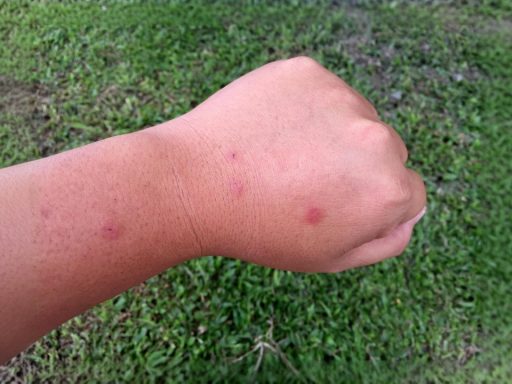
Chronic Hives Treatment: Options When Hives Will Not Go Away
Chronic hives are hives that come and go for 6 weeks or longer. They can be exhausting, but they are treatable, and there are more effective options today than there were even a few years ago. This guide explains how chronic hives are treated, what to expect along the way, and when to see a specialist. To learn more about the condition itself, read about chronic hives.
What Makes Chronic Hives Different
Most hives clear up within days. Chronic hives keep returning, often on most days of the week, and may include swelling under the skin (angioedema). Most cases are chronic spontaneous urticaria, meaning there is no clear outside trigger. A smaller share are chronic inducible urticaria, set off by things like cold, heat, pressure or sunlight. In many people with chronic spontaneous urticaria, the immune system is involved, which is why treatments that target immune pathways can work well.
Goal of Treatment
The goal is to control symptoms completely so that you can sleep, work and live normally. Chronic hives often fade over time, but how long that takes varies widely, so treatment focuses on keeping symptoms controlled until then.
Step 1: Daily Non-Sedating Antihistamine
The first treatment is a second-generation H1 antihistamine, such as cetirizine, levocetirizine, loratadine, desloratadine or fexofenadine, taken every day. For chronic hives, taking it on a schedule works better than waiting for welts to appear. Learn more in our guide to the best antihistamine for hives.
Step 2: A Higher Antihistamine Dose
If hives continue after a couple of weeks on the standard dose, guidelines allow a doctor to increase the dose, up to four times the usual amount. Many people who did not respond to a standard dose do better at a higher one. Do this only under medical supervision.
Step 3: Targeted (Biologic) and Oral Add-On Therapy
If hives are still not controlled, doctors can add a targeted treatment for chronic spontaneous urticaria:
- Omalizumab (Xolair) is an injection given every few weeks. It has been used for chronic hives for years and works in many people who do not respond to antihistamines. Read about Xolair for hives.
- Dupilumab (Dupixent) is an injection approved for chronic spontaneous urticaria that is not controlled by antihistamines.
- Remibrutinib (Rhapsido) is an oral tablet approved for adults with chronic spontaneous urticaria that persists despite antihistamines.
Which one is right depends on your age, health history, insurance coverage and preferences.
Step 4: Other Options
For people who do not respond to the above, a specialist may consider cyclosporine, which calms the immune system but requires monitoring for side effects such as high blood pressure and kidney effects. Short courses of oral corticosteroids may be used for severe flares, but they should not be used long term.
Are Tests Needed?
Most people with chronic hives need only limited testing, such as basic blood work, to rule out other conditions. Doctors may check thyroid antibodies, since chronic hives are linked with autoimmune thyroid disease in some people. Extensive allergy testing usually adds little unless a particular trigger is suspected.
Day-to-Day Tips for Living With Chronic Hives
- Take medication consistently as prescribed, and do not stop without talking to your doctor.
- Track your symptoms in a journal or app. Some doctors use the 7-day Urticaria Activity Score (UAS7) to measure how well treatment is working.
- Be careful with NSAIDs. Aspirin and ibuprofen make hives worse in a significant share of people with chronic hives. Ask your doctor which pain reliever is safe.
- Stay cool and avoid overheating, tight clothing and skin irritation.
- Protect your sleep and manage stress. Stress does not cause chronic hives, but it can make flares feel worse.
- Seek support. Living with unpredictable hives can affect mood and quality of life, and it is worth mentioning to your doctor.
How Long Do Chronic Hives Last?
Many people see chronic hives clear within a few years, but some have them for longer, and flares can return after a break. See how long hives last for typical timelines. A good treatment plan can keep you comfortable no matter how long it takes.
When Chronic Hives Are an Emergency
Go to the emergency room or call 911 immediately if hives are accompanied by difficulty breathing, wheezing, throat tightness, swelling of the lips, tongue or face, light-headedness or a sense that something is seriously wrong. These are warning signs of anaphylaxis.
When to See a Specialist
If you have had hives for 6 weeks or more, or antihistamines are not controlling them, see a specialist. The Hives Treatment Center, founded by Dr. Tiffany Young in San Francisco, focuses on hives and offers online and in-person consultations, and is accepting new patients.
Frequently Asked Questions About Chronic Hives Treatment
What is the best treatment for chronic hives?
Daily non-sedating antihistamines are the starting point. If they are not enough, targeted treatments such as omalizumab, dupilumab or remibrutinib can help many people.
Do chronic hives ever go away?
Yes, in many people they eventually resolve, though the timing varies from months to years.
Is chronic hives treatment lifelong?
Usually not. Once symptoms have been controlled for a while, doctors often try lowering the dose or stopping the medication to see whether the hives have gone into remission.
Take the Next Step
If chronic hives are controlling your life, there are options that can help. Visit our hives treatment page to see the latest treatment options for your outbreak.
This information is for educational purposes only and is not a substitute for professional medical advice, diagnosis or treatment. If you think you are having a medical emergency, call 911.