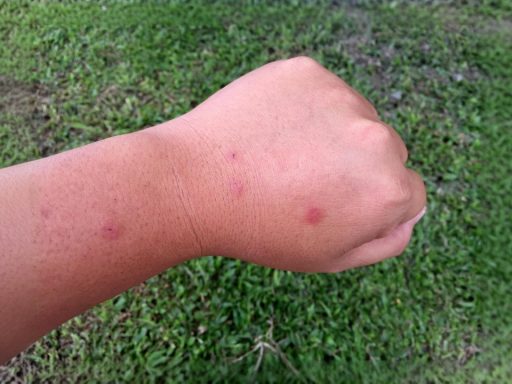
How to Treat Hives at Home: Safe Remedies and Tips
Many cases of hives can be managed at home, especially mild outbreaks that fade within a day or two. The goal of home treatment is to calm the itching, avoid anything that makes hives worse, and keep you comfortable until they pass. Here are the home remedies that are safe and sensible, the ones that are not worth trying, and the signs that you need a doctor.
Home Treatments That Help
Cool compresses
Press a cool, damp washcloth or a cold pack wrapped in a thin towel against itchy welts for 5 to 10 minutes at a time. Cold constricts blood vessels and numbs the itch. Skip this if your hives are triggered by cold (see below).
Lukewarm or cool showers and baths
Hot water tends to make hives itchier. Use lukewarm water, keep showers short and pat the skin dry.
Colloidal oatmeal baths
Soaking in lukewarm water with colloidal oatmeal can soothe irritated, itchy skin. Learn more in our guide to oatmeal baths for hives.
Loose, soft clothing
Pressure and friction can trigger new welts. Choose loose cotton clothing and avoid tight waistbands, bra straps and rough fabrics.
Gentle, fragrance-free skin care
A plain moisturizer can keep skin from drying out and itching. Cooling lotions containing calamine or menthol may feel soothing, though they do not treat the cause. Read more about creams for hives.
Over-the-counter non-sedating antihistamines
Medicines such as cetirizine, loratadine and fexofenadine are the most helpful over-the-counter option and are widely used for hives. Follow the package directions, and check with a pharmacist or doctor first if you are pregnant, giving medicine to a child, or taking other medications. See the best antihistamine for hives for help choosing.
Everyday Habits That Prevent Flare-Ups
- Keep your home and bedroom cool.
- Avoid strenuous exercise and heavy sweating until hives settle.
- Keep fingernails short to limit damage from scratching.
- Use fragrance-free laundry detergent and soap.
- Write down what you ate, took and did before each outbreak, to spot patterns.
- Manage stress with rest, gentle movement and relaxation techniques, since stress can worsen hives in some people.
Home Remedies That Are Not Proven (and May Irritate)
You may see claims online about apple cider vinegar, essential oils, baking soda paste, raw garlic, or other kitchen remedies. There is little reliable evidence that they treat hives, and some can burn or inflame the skin. If you want to try something, test a small area first and stop if it stings or worsens the rash.
Home Care Cautions
- Cold-triggered hives: if cold sets off your hives, do not use ice or cold packs on them.
- Pain relievers: aspirin and ibuprofen can worsen hives in some people. Ask a pharmacist which option is safe for you.
- Sedating antihistamines: diphenhydramine can cause drowsiness and is not recommended as a routine treatment.
- Children and pregnancy: check with a doctor before giving or taking any medication.
When Home Treatment Is Not Enough
See a doctor if your hives last more than a few days, keep returning, spread across your body, disrupt sleep, or do not improve with an over-the-counter antihistamine. Hives lasting 6 weeks or longer are considered chronic and generally need a medical plan. Read how long hives usually last in how long do hives last. Dr. Tiffany Young’s Hives Treatment Center in San Francisco provides hives care through online and in-person visits.
Emergency Warning Signs
Call 911 or go to the nearest emergency room right away if hives come with trouble breathing, wheezing, tightness in the throat, swelling of the tongue or lips, dizziness or fainting. These can be signs of anaphylaxis, a severe allergic reaction that needs immediate treatment.
Frequently Asked Questions
What is the best home remedy for hives?
The best-supported home measures are cool compresses, lukewarm showers, loose clothing, avoiding triggers and an over-the-counter non-sedating antihistamine.
Does baking soda help hives?
Baking soda baths are a popular folk remedy, but they have not been proven to help hives. A colloidal oatmeal bath is a gentler, better-studied choice for soothing itchy skin.
How long should I try home treatment before seeing a doctor?
If hives are not improving after a few days, or they come with swelling, fever or breathing problems, get medical advice sooner rather than later.
When You Need More Than Home Care
If home remedies are not giving you enough relief, stronger options are available. Visit our hives treatment page to see the latest treatment options for your outbreak.
This information is for educational purposes only and is not a substitute for professional medical advice, diagnosis or treatment. If you think you are having a medical emergency, call 911.