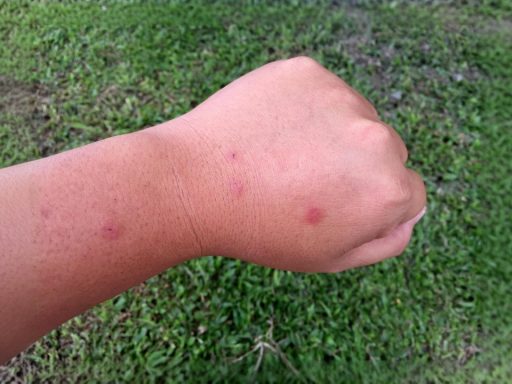
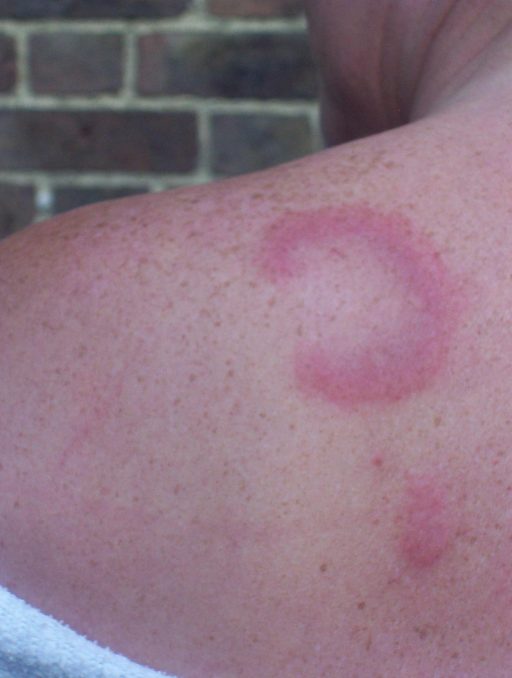
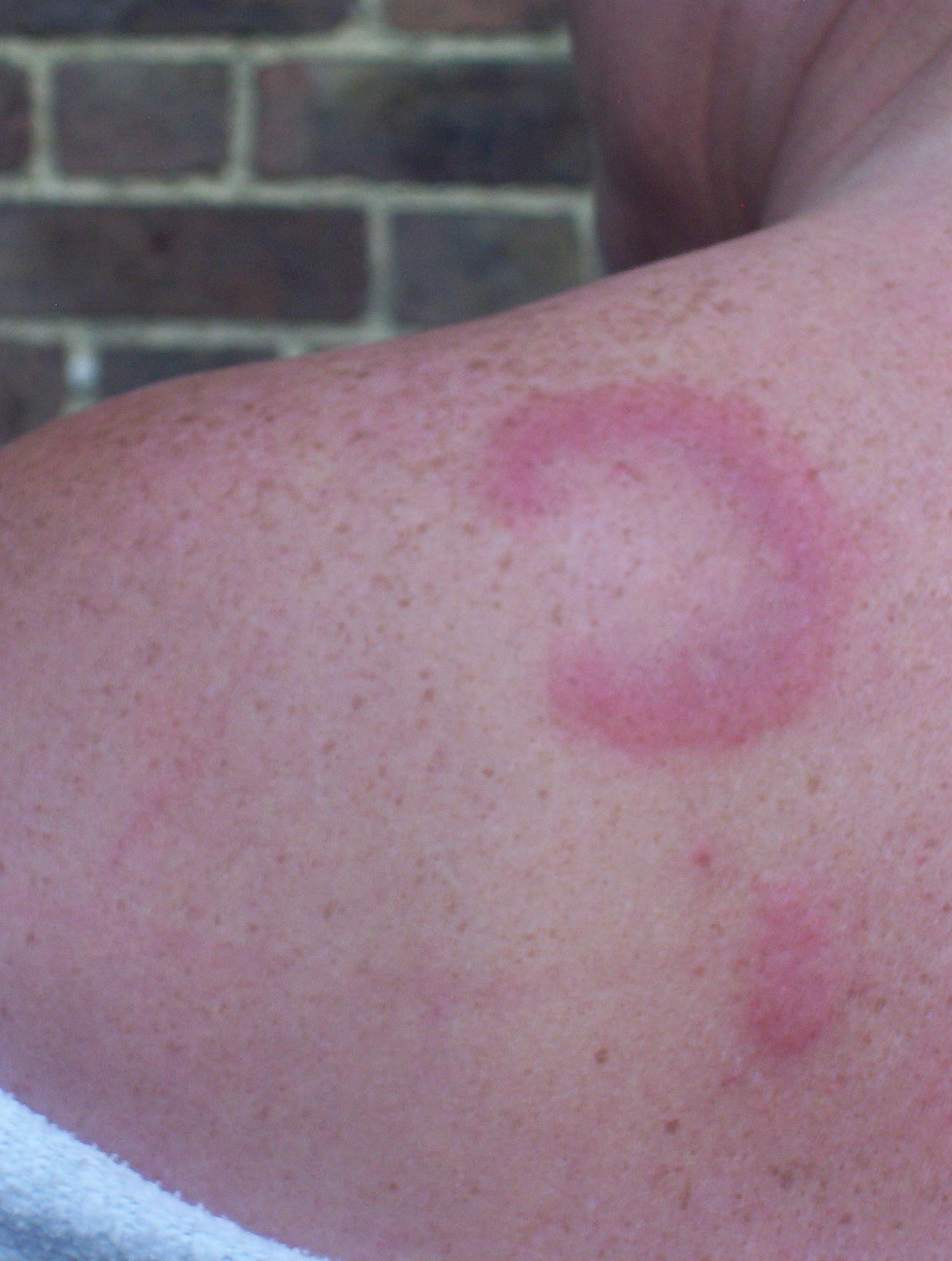
Quick answer: an individual hive (welt) usually fades within 24 hours. A hives outbreak as a whole often lasts a few days to a few weeks. Chronic hives can come and go for 6 weeks or longer. The exact timeline depends on what’s causing your hives and which type you have.
Why Hives Seem to Last Longer Than a Day
Hives are unusual because the rash moves around. Each welt typically disappears within a few hours to 24 hours without leaving a mark, but new welts can form in other places as old ones fade. That’s why an outbreak can feel like it lasts for days even though every single welt is short-lived. If the same welt stays in one spot for more than 24 hours, that’s worth mentioning to a doctor.
How Long Do Hives Last? Timeline at a Glance
| Type | Typical duration |
|---|---|
| A single welt | A few hours up to 24 hours |
| Acute hives (whole outbreak) | Usually a few days to a few weeks, and by definition less than 6 weeks |
| Chronic hives | 6 weeks or longer; often months, sometimes years |
| Angioedema (deeper swelling) | Up to about 72 hours |
| Physical hives (cold, heat, pressure, sun, scratching) | Minutes to hours after each exposure; pressure-related swelling can last a day or more |
How Long Do Acute Hives Last?
Acute hives are hives that last less than 6 weeks. They’re the most common form, and they’re often triggered by a viral infection, a food, a medication or an insect sting. Many cases clear up within a few days, and some linger for a couple of weeks. Once the trigger is gone or the infection passes, the hives usually fade on their own.
How Long Do Chronic Hives Last?
When hives keep coming back for 6 weeks or longer, they’re called chronic hives. Most people with chronic hives find that their symptoms come and go, with good days and bad days. Many people eventually see their hives go away on their own, often within a few years, but some have them for longer. Because chronic hives are unpredictable, a treatment plan from a doctor can make a big difference in the meantime.
How Long Do Hives Last With Angioedema?
Hives can come with angioedema, a deeper swelling of the lips, eyelids, face, hands or feet. This swelling is slower to develop and slower to go away than surface welts, often lasting from several hours up to about three days.
How Long Do Physical Hives Last?
Hives triggered by something touching or affecting the skin, such as cold, heat, sweating, sunlight, pressure or scratching, tend to appear within minutes of the trigger. Most fade within an hour or two once the trigger is removed. Pressure-related swelling is the exception: it often starts hours after the pressure and can last a day or more.
What Affects How Long Your Hives Last?
- The cause: Hives from a one-time trigger, such as a food or a viral infection, tend to clear faster than hives with no identifiable cause. See the common causes of hives.
- Continued exposure: Hives can keep returning if you’re still being exposed to the trigger, such as a medication, food, or repeated heat or pressure.
- Heat and sweating: Hot showers, exercise and overheating can make welts last longer or flare up again.
- Scratching and tight clothing: Irritating the skin can trigger new welts.
- Stress and illness: Ongoing stress or an infection can keep hives going.
- Treatment: The right treatment can shorten outbreaks and reduce how often they return.
How Long Does It Take for Hives to Go Away?
For most people with a first-time or short-term outbreak, hives go away within a few days. If yours are still appearing after a week, or keep returning, don’t just wait it out. Persistent hives deserve a medical evaluation, which can help identify triggers and rule out other conditions.
Ways to Ease Symptoms While You Wait
- Apply a cool compress to itchy areas.
- Take lukewarm or cool showers instead of hot ones.
- Wear loose, soft clothing.
- Avoid scratching, and avoid triggers you suspect, such as certain foods or medications.
- Ask a doctor or pharmacist before taking aspirin or other NSAIDs, as these can worsen hives in some people.
When Hives Are a Medical Emergency
Call 911 or go to the nearest emergency room right away if hives come with trouble breathing, wheezing, tightness in the throat, swelling of the tongue or lips, dizziness or fainting. These can be signs of a severe allergic reaction (anaphylaxis), no matter how long your hives have been present.
When to See a Doctor
Schedule an appointment if your hives:
- Last more than a few days or keep returning
- Reach the 6-week mark
- Interfere with sleep, work or daily life
- Have welts that stay in one place for more than 24 hours, leave bruising, or feel painful rather than itchy
- Come with fever, joint pain or other symptoms
Frequently Asked Questions About How Long Hives Last
Can hives go away on their own?
Yes. Many cases of acute hives fade without treatment once the trigger is gone, and some chronic cases eventually resolve on their own too. Treatment can make you more comfortable while you wait.
Why do my hives keep coming back?
Hives that return day after day may be chronic hives, or you may be repeatedly exposed to a trigger. Keeping a record of when they appear and what you ate, took or did beforehand can help your doctor find patterns. Our page on hives symptoms explains what to track.
Do hives last longer at night?
Hives often seem worse at night, partly because itching is more noticeable when you aren’t distracted and because body temperature changes can trigger welts. The hives themselves don’t last longer at night, though.
How long do stress hives last?
Stress-related hives usually follow the same pattern as other hives, fading within hours to days, but they can return if stress continues.
Shorten Your Hives Outbreak
You don’t have to just wait out an outbreak. The right treatment can relieve itching and help prevent hives from coming back. Visit our hives treatment page to see the latest treatment options for your outbreak.
This information is for educational purposes only and is not a substitute for professional medical advice, diagnosis or treatment. If you think you’re having a medical emergency, call 911.