Urticaria is the medical term for hives. The hallmark urticaria symptoms are itchy, raised welts that appear on the skin, sometimes with swelling in the deeper layers of the skin. How these symptoms look and how long they last depend on the type of urticaria you have. This guide explains what to expect, how symptoms differ from one type to the next, and which signs mean you should get medical help. For a general overview of the condition, see our page on urticaria.
Main Symptoms of Urticaria
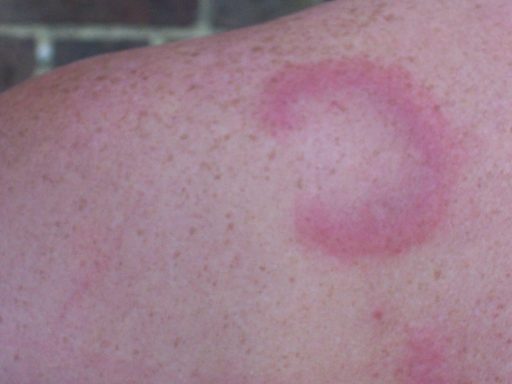
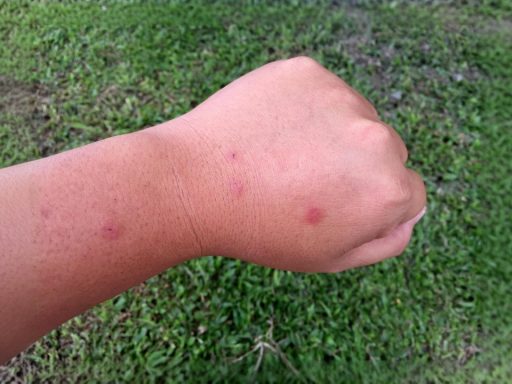
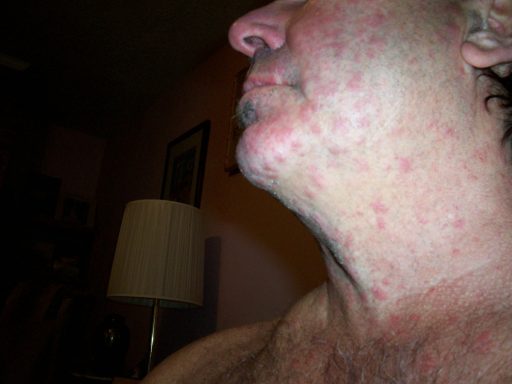
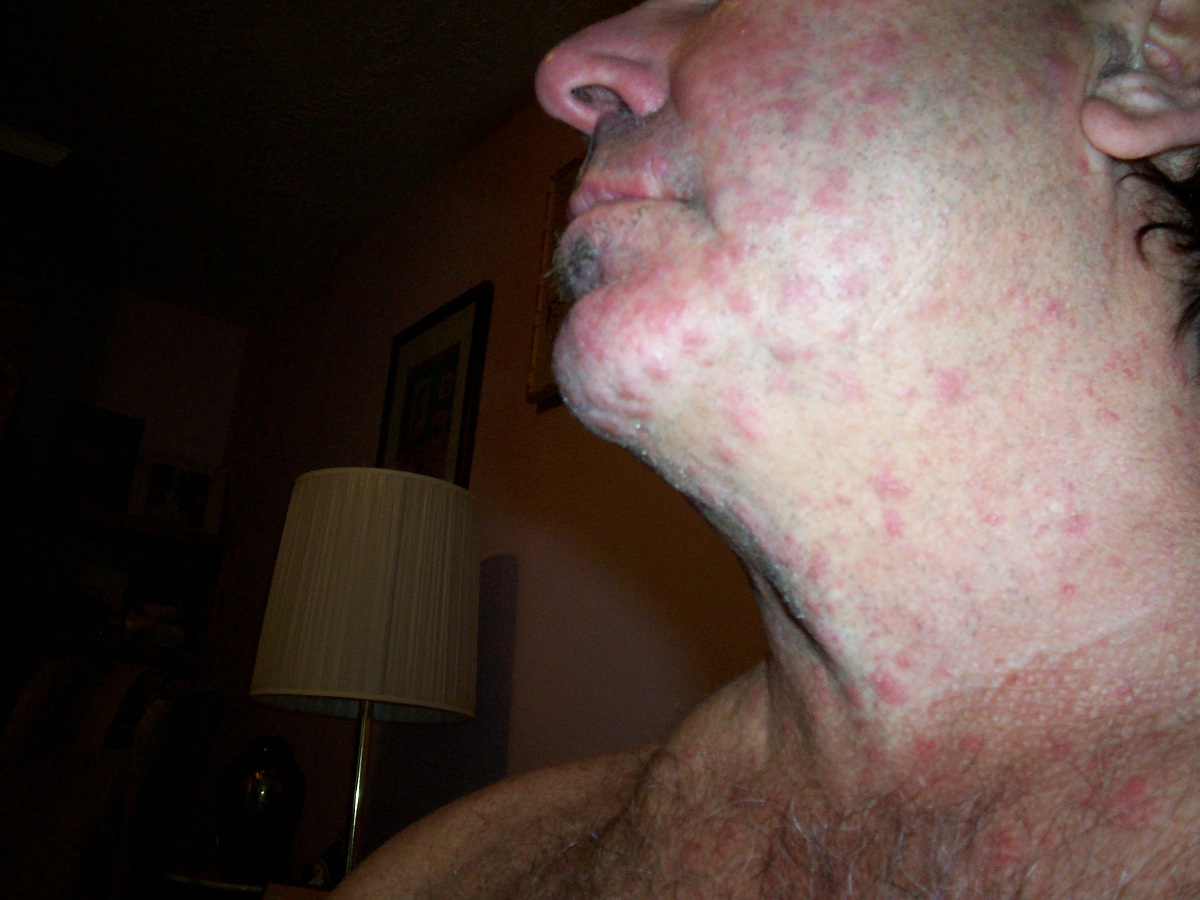
- Wheals (welts): Raised, well-defined bumps or patches on the skin. They may be red, pink or skin-colored, and often have a paler center. On darker skin tones, they can look purplish, brown or only slightly different from the surrounding skin.
- Itching: Itching is the most common symptom and can range from mild to severe. Some people feel burning or stinging instead of, or along with, the itch.
- Variable size and shape: Wheals can be a few millimeters across or several inches wide. They may be round, oval or ring-shaped, and they can merge into large raised patches.
- Blanching: Pressing on a wheal typically turns the center pale for a moment.
- Short-lived individual lesions: A single wheal usually fades within 24 hours without leaving a bruise or scar, but new wheals may appear elsewhere as old ones disappear.
Angioedema: Swelling Under the Skin
Many people with urticaria also develop angioedema, which is swelling in the deeper layers of the skin or in the tissue beneath the lining of the mouth and throat. It most often affects the lips, eyelids, face, hands, feet and genitals. Compared with wheals, angioedema is more likely to feel tight, tender, warm or painful than itchy, and it can take up to 72 hours to go away. Some people have angioedema without any wheals at all.
Urticaria Symptoms by Type
Urticaria is grouped by how long it lasts and what sets it off. The core symptoms are the same, but each type has its own pattern. You can browse them all on our types of hives page.
- Acute urticaria: Wheals, with or without angioedema, that last less than 6 weeks. Common triggers include infections, foods, medications and insect stings, although in many cases no cause is found.
- Chronic spontaneous urticaria: Wheals, angioedema or both that come and go on most days of the week for 6 weeks or longer, with no specific outside trigger. Learn more about chronic spontaneous urticaria.
- Cold urticaria: Itchy welts and swelling on skin exposed to cold air, cold water or cold objects, often appearing as the skin rewarms.
- Cholinergic urticaria: Many small, intensely itchy or prickly wheals with surrounding redness, triggered by heat, exercise, sweating or emotional stress.
- Solar urticaria: Wheals on sun-exposed skin that begin within minutes of sunlight exposure.
- Dermatographic urticaria: Raised, linear welts that appear where the skin has been scratched, stroked or rubbed.
- Pressure urticaria: Deep, sometimes painful swelling that develops hours after sustained pressure, such as from tight straps, belts or tools. It often affects the hands, feet and waistline.
- Aquagenic urticaria: A rare type in which small wheals appear after contact with water.
Symptoms Beyond the Skin
Urticaria is more than a skin problem for many people, especially when it lasts for weeks or months. Constant itching can disrupt sleep and lead to daytime fatigue, trouble concentrating and stress or low mood. Ongoing symptoms can also affect work, exercise and social life. If urticaria is wearing you down, it’s reason enough to talk with a doctor, even if the rash itself seems mild.
Symptoms That Are Not Typical of Urticaria
Ordinary urticaria wheals fade within 24 hours and don’t leave bruises. See a doctor if you notice any of the following, since they can point to a different condition:
- Individual welts that last longer than 24 hours in the same spot
- Welts that feel painful or burn rather than itch, or that leave bruising or dark marks as they fade
- Hives along with a fever, joint pain, or unexplained weight loss
When Urticaria Is a Medical Emergency
Call 911 or go to the nearest emergency room right away if urticaria symptoms occur with any of the following:
- Trouble breathing, wheezing or shortness of breath
- Tightness in the throat, hoarseness or difficulty swallowing
- Swelling of the tongue or throat
- Dizziness, fainting, a rapid heartbeat or sudden weakness
- Vomiting or severe stomach cramps after a food, medication or insect sting
These can be signs of anaphylaxis, a severe allergic reaction that needs immediate treatment.
When to See a Doctor
Make an appointment if your symptoms last more than a few days, keep coming back, interfere with sleep or daily activities, or don’t improve with over-the-counter antihistamines. A doctor can look for possible triggers, rule out other conditions and help you find an approach that works. For a closer look at how the rash can appear and how to tell hives from similar conditions, see our guide to hives symptoms.
Frequently Asked Questions About Urticaria Symptoms
Is urticaria the same as hives?
Yes. Urticaria is the medical name for hives, and the two terms are used interchangeably.
Can you have urticaria without a rash?
You can have angioedema (swelling under the skin) with no visible welts. Most people with urticaria have wheals, angioedema, or both.
Is urticaria contagious?
No. Urticaria is a reaction happening within your own body and can’t be passed to another person.
How long do urticaria symptoms last?
Each wheal usually fades within 24 hours, but new ones can keep appearing. Acute urticaria resolves within 6 weeks, while chronic urticaria lasts 6 weeks or longer and can come and go for months or years.
Next Steps for Urticaria Symptoms
If these symptoms sound familiar, the next step is finding a treatment plan that relieves the itching and helps prevent future flare-ups. Visit our hives treatment page to see the latest treatment options for your outbreak.
This information is for educational purposes only and is not a substitute for professional medical advice, diagnosis or treatment. If you think you’re having a medical emergency, call 911.