Hives are raised, itchy welts that appear suddenly on the skin. The medical term is urticaria. Hives are common, and about one in five people will have them at some point in their lives. Most cases are harmless and clear up on their own, but some last for weeks or months and need treatment.
What Are Hives?
Hives (also called welts or wheals) happen when mast cells in the skin release histamine and other chemicals. These chemicals make small blood vessels leak fluid into the upper layers of the skin. The result is swelling, redness, and itching.
Individual hives usually fade within 24 hours, but new ones can appear as old ones disappear. This is why hives seem to move around the body. Hives are an immune reaction, not an infection, so they are not contagious.
What Do Hives Look Like?
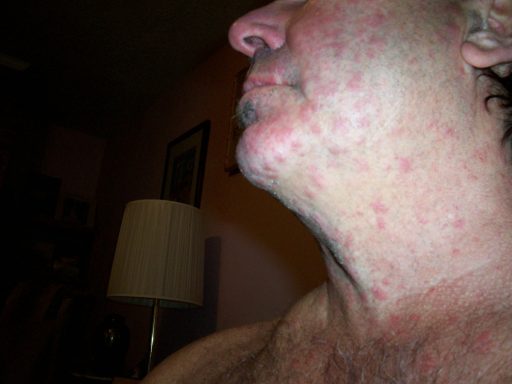
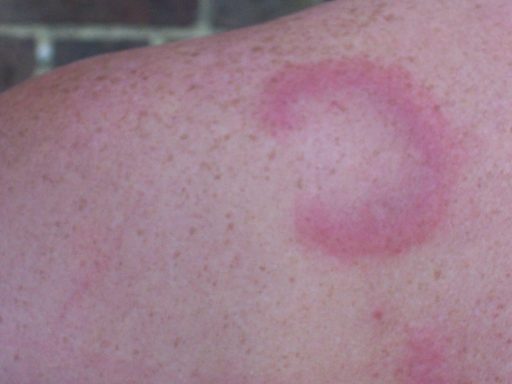
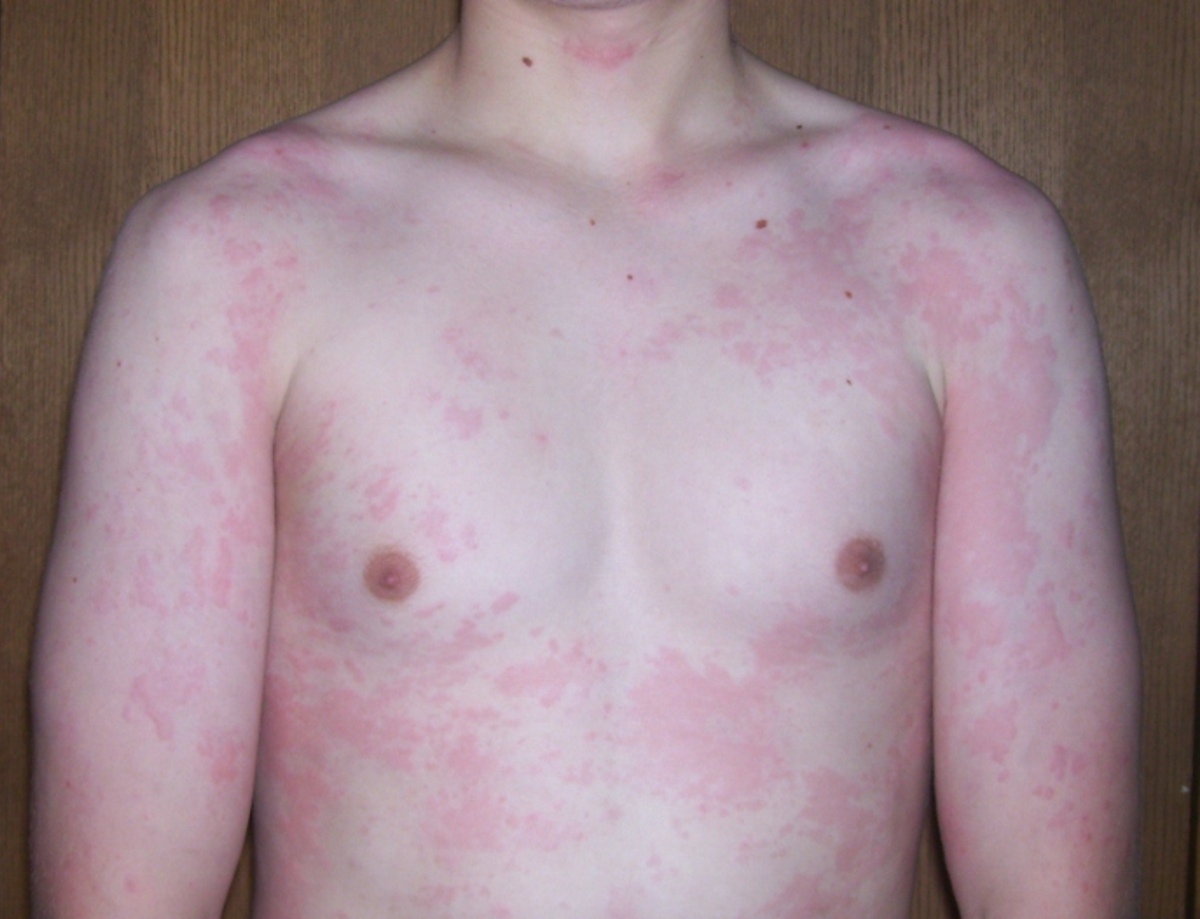
Hives can look different from person to person, but they commonly:
- Appear as raised bumps or patches that are red, pink, or skin-colored
- Have a paler center with a flushed edge
- Range from a few millimeters to several inches across
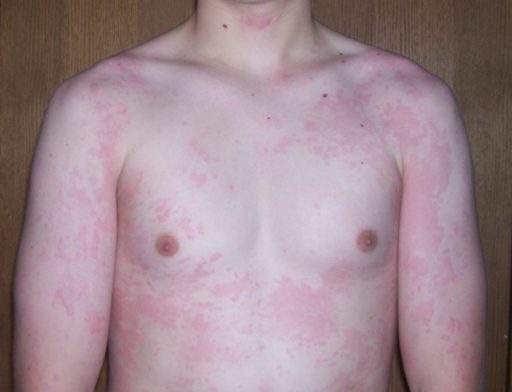
- Join together into larger plaques
- Change shape, move, or fade and reappear within hours
- Itch, burn, or sting
On darker skin, hives may look like subtle raised areas that are slightly darker or more purple, brown, or red than the surrounding skin. See what hives look like for more detail and visual comparisons.
What Causes Hives?
Hives have many possible triggers, and in many cases no cause is ever found. Common triggers include:
- Foods: shellfish, fish, eggs, milk, peanuts, and tree nuts
- Medications: antibiotics, aspirin, ibuprofen and other NSAIDs, and opioid pain relievers
- Infections: especially viral infections, which are a leading cause in children
- Insect stings and bites
- Environmental exposures: pollen, animal dander, and latex
- Physical triggers: heat, cold, sweating, pressure, sunlight, water, vibration, or scratching
- Stress: which can worsen hives but is rarely the only cause
Hives are not always an allergy. Chronic hives in particular are often linked to the immune system itself rather than an outside allergen. Learn more about the causes of hives.
Types of Hives
- Acute hives: last less than six weeks and are the most common type
- Chronic hives: appear on most days for more than six weeks. In most cases of chronic spontaneous urticaria, no trigger is found
- Inducible (physical) hives: triggered by a specific stimulus such as cold, heat, pressure, sunlight, or scratching
Hives and Angioedema
Some people with hives also develop angioedema, which is deeper swelling of the lips, eyelids, tongue, hands, feet, or genitals. Angioedema can also happen without hives. Swelling of the tongue or throat can block breathing and is a medical emergency.
How Long Do Hives Last?
A single hive typically fades within a few hours to 24 hours. An outbreak of acute hives often clears within days, and most cases resolve within six weeks. Chronic hives can come and go for months or years, though many people eventually go into remission.
How Are Hives Treated?
Treatment aims to relieve itching and prevent new welts:
- Non-sedating antihistamines such as cetirizine, loratadine, fexofenadine, or levocetirizine are the usual first-line treatment. Doctors may recommend higher doses for stubborn hives.
- Prescription add-on therapy such as omalizumab may be used for chronic hives that do not respond to antihistamines.
- Short courses of oral corticosteroids may be used for severe flares, but they are not suitable for long-term use.
- Trigger avoidance helps when a clear trigger is known.
If you are dealing with an outbreak right now, visit our page on hives medication to learn what options may work best for you.
Home Care for Hives
- Apply a cool, damp cloth to itchy areas for 10 to 15 minutes
- Wear loose, soft clothing
- Avoid hot showers, overheating, and strenuous exercise during flares
- Use fragrance-free soaps, moisturizers, and detergents
- Try not to scratch or rub the skin
When to Seek Emergency Care
Call 911 if hives occur with:
- Trouble breathing, wheezing, or a hoarse voice
- Swelling of the tongue, lips, or throat
- Difficulty swallowing
- Dizziness, fainting, confusion, or a rapid pulse
- Vomiting or severe abdominal pain
These may be signs of anaphylaxis. If you have a prescribed epinephrine auto-injector, use it as directed and call 911, even if symptoms improve.
When to See a Doctor
Make an appointment if hives last more than a few weeks, keep returning, disrupt sleep or daily life, do not improve with an over-the-counter antihistamine, or if individual welts last longer than 24 to 48 hours, leave bruises, or come with fever or joint pain.
Frequently Asked Questions
Are hives contagious?
No. Hives cannot be passed from person to person.
Are hives the same as an allergic reaction?
Not always. Allergies cause some hives, but infections, medications, physical triggers, and immune activity with no clear cause are also common.
What is the difference between hives and a rash?
Hives are raised welts that come and go, often within 24 hours, and move around. Many other rashes stay in one place, may be scaly or blistered, and last longer.
Can stress cause hives?
Stress can trigger or worsen hives in people who are prone to them, but it is rarely the only cause.
Do hives leave scars?
No. Ordinary hives do not leave scars or marks. Marks or bruising that remain should be evaluated.
Can children get hives?
Yes. Hives are common in children, often following a viral infection, and usually resolve on their own.