How to Treat Hives: What to Do for Mild, Moderate and Severe Cases
There is no single way to treat hives, because they vary so much from person to person. A handful of itchy welts after a hot day calls for a different approach than hives that cover your body for weeks. This guide walks through how to treat hives based on how severe they are, so you can match your response to your situation.
First, Rule Out an Emergency
Go to the emergency room or call 911 immediately if hives are accompanied by difficulty breathing, wheezing, throat tightness, swelling of the lips, tongue or face, light-headedness or a sense that something is seriously wrong. These are warning signs of anaphylaxis.
How to Treat Mild Hives
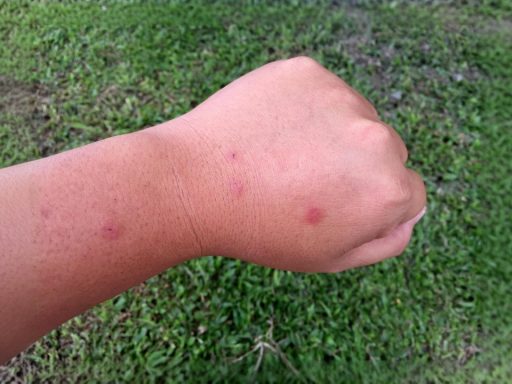
What it looks like: a few welts, tolerable itching, no swelling of the face, lips or tongue, and no trouble sleeping.
- Remove the suspected trigger.
- Apply cool compresses and take lukewarm showers.
- Wear loose cotton clothing and avoid heat and sweating.
- Consider a non-sedating antihistamine, following the label.
Most mild hives clear within a day or two. Our guide to treating hives at home has more tips.
How to Treat Moderate Hives
What it looks like: many welts, itching that interferes with daily life or sleep, or hives lasting more than a couple of days.
- Take a non-sedating antihistamine every day as directed, rather than only when welts appear.
- Keep a log of foods, medications, activities and stressors to look for patterns.
- Check with a doctor about the safest option if you are pregnant or treating a child.
- Make a medical appointment if there is no improvement after a few days.
Learn which options to consider in the best antihistamine for hives guide.
How to Treat Severe or Persistent Hives
What it looks like: widespread welts, swelling of the lips or eyelids, hives that last 6 weeks or longer, or hives that do not respond to over-the-counter medicine.
- See a doctor promptly; do not keep self-treating for weeks.
- A doctor may increase the antihistamine dose, add other medicines, or prescribe a short course of oral corticosteroids for a severe flare.
- For chronic hives that do not respond to antihistamines, prescription options such as omalizumab, dupilumab and remibrutinib may be considered.
Treating the Cause of Your Hives
When possible, treatment also targets what is behind the hives:
- Infection: hives often settle as the illness clears.
- Medication: if a medicine seems to be the cause, talk to your prescriber before stopping it.
- Food allergy: avoid the food and ask about allergy testing.
- Physical triggers: cold, heat, pressure, sunlight and sweating hives are managed by limiting exposure.
Read about the causes of hives to see where yours might fit.
Treating Hives in Children and During Pregnancy
Do not give a child any medicine for hives without checking the correct product and dose with a pediatrician or pharmacist, since dosing depends on age and weight. If you are pregnant, talk with your obstetrician before taking any antihistamine or other medicine for hives.
When Hives Can Be Dangerous
Most hives are not dangerous, but certain symptoms mean they need urgent care. Read more about whether hives are dangerous, and seek emergency help for any breathing difficulty or swelling of the tongue or throat.
Where to Get Help
Hives that are severe, persistent, or hard to explain are best treated by a specialist. The Hives Treatment Center in San Francisco, founded by Dr. Tiffany Young, offers online and in-person care focused on hives.
Frequently Asked Questions About Treating Hives
What is the best medicine for hives?
For most people, a non-sedating antihistamine is the best first medicine. If it does not control your hives, a doctor can adjust the plan.
Should I use a steroid cream on hives?
Steroid creams are not very effective for hives, because the swelling is deeper in the skin than creams reach. Cooling lotions may soothe itching, but oral antihistamines are more effective.
Can I treat hives without medication?
Mild hives often fade on their own with cool compresses and trigger avoidance. Persistent hives usually need medicine.
Explore Your Treatment Options
Matching treatment to your hives can make all the difference. Visit our hives treatment page to see the latest treatment options for your outbreak.
This information is for educational purposes only and is not a substitute for professional medical advice, diagnosis or treatment. If you think you are having a medical emergency, call 911.