Do Hives Itch? Why Hives Itch and What Helps
Yes, most hives itch, and the itch can be intense. Itching is the most common symptom of hives (urticaria), and many people also feel burning or stinging. But not every case follows the pattern, and a few signs suggest that what you have is not ordinary hives. This guide explains why hives itch, what it means when they burn or hurt instead, and how to find relief.
Why Do Hives Itch?
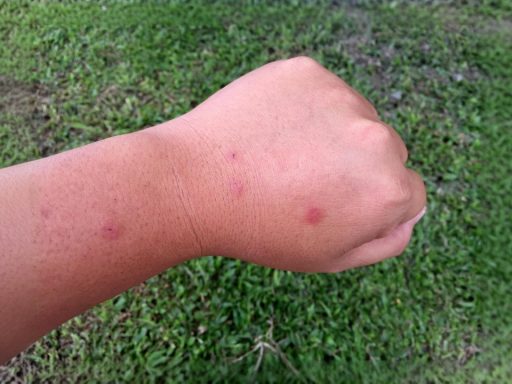
Hives form when special immune cells in the skin, called mast cells, release histamine and other chemicals. Histamine does two things at once: it makes tiny blood vessels leak fluid, which creates the raised welt, and it activates the nerve endings that signal itch. That is why the welts are so itchy, and why antihistamine medicines are a common part of hives care.
How Itchy Are Hives?
The itch ranges from mild and annoying to severe enough to disrupt sleep and concentration. Many people find that itching is worst in the evening and at night, when there are fewer distractions and body temperature shifts. Itching can also flare after a hot shower, exercise, or sweating.
Hives That Burn, Sting or Hurt
Burning or stinging is common with hives, especially with large welts or heat-triggered hives. Deeper swelling under the skin, known as angioedema, often feels tight, warm or painful rather than itchy. See a doctor if your welts:
- Stay in the same spot for more than 24 hours
- Feel painful instead of itchy
- Leave bruising or dark marks as they fade
- Come with fever or joint pain
Those features can point to a different condition that needs a proper evaluation.
Can You Have Hives Without Itching?
Yes. Some people have hives or angioedema with little or no itching. If a rash is flat, scaly, dry or itches constantly in the same patches, it may be something else, such as eczema. Our comparison of hives vs. eczema can help you tell them apart, and our list of hives symptoms covers what else to look for.
How to Relieve Itchy Hives
- Cool the skin. Hold a cool, damp cloth or cold pack wrapped in a towel on itchy areas for a few minutes at a time.
- Choose lukewarm showers. Hot water can make itching and welts worse.
- Wear loose, soft clothing. Tight waistbands, straps and rough fabrics irritate the skin.
- Try an oatmeal bath or a gentle, fragrance-free moisturizer to soothe the skin.
- Ask about an antihistamine. Non-sedating antihistamines are the usual first medicine for itchy hives. Follow the label, and check with a doctor or pharmacist if you are pregnant, giving medicine to a child, or taking other medications.
Why Scratching Makes Hives Worse
Scratching can feel satisfying for a moment, but it can trigger more histamine release, spread the welts, break the skin and cause irritation or infection. Keep your nails short and try pressing a cool cloth against the area instead.
When Itchy Hives Are an Emergency
Call 911 or go to the nearest emergency room right away if hives come with trouble breathing, wheezing, tightness in the throat, swelling of the tongue or lips, dizziness or fainting. These can be signs of anaphylaxis, a severe allergic reaction that needs immediate treatment.
When to See a Doctor About Itchy Hives
See a doctor if the itching keeps you from sleeping, your hives last more than a few days, or they keep coming back. Dr. Tiffany Young’s Hives Treatment Center in San Francisco is a practice dedicated to hives, offering online and in-person consultations for patients who need help getting persistent itching under control.
Frequently Asked Questions About Itchy Hives
Why do hives itch more at night?
Itching tends to feel stronger at night because you are less distracted and your body temperature and natural hormone levels change. Keeping the bedroom cool and wearing loose cotton pajamas can help.
Are itchy hives a sign of an allergy?
They can be, but many cases are not allergic. Infections, heat, cold, pressure, stress and medications can all trigger hives, and in many chronic cases no cause is found.
Can stress make hives itchier?
Stress does not cause every case of hives, but it can trigger or worsen them in some people, and itching often feels stronger when you are tense or tired.
Get Relief From Itchy Hives
If itching is wearing you down, you do not have to just put up with it. Visit our hives treatment page to see the latest treatment options for your outbreak.
This information is for educational purposes only and is not a substitute for professional medical advice, diagnosis or treatment. If you think you are having a medical emergency, call 911.