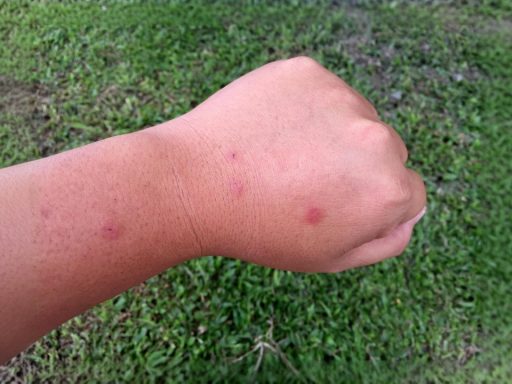
Hives Treatment: Options, Medications and When to See a Specialist
Hives can usually be controlled, but the right treatment depends on what is causing them, how long they have lasted, and how severe they are. Some outbreaks fade on their own with simple care. Others, especially hives that keep coming back for weeks, need a doctor-guided plan. This page explains the main hives treatment options, from first steps at home to the newest prescription therapies, so you know what to expect.
Dr. Tiffany Young’s Hives Treatment Center in San Francisco offers online and in-person consultations for people with hives and is accepting new patients.
Step 1: Get the Right Diagnosis
Treatment starts with confirming that your rash is hives and working out which kind you have. A doctor will ask about when the hives started, how long each welt lasts, any swelling, and possible triggers such as foods, medications, infections, heat, cold or pressure. Limited testing is often enough; extensive allergy testing is usually not needed unless your history points to a specific trigger.
Step 2: Avoid Known Triggers
If a trigger is identified, avoiding it is the most effective treatment. Common triggers include certain foods, medications (such as aspirin and other NSAIDs, some antibiotics and some blood pressure medicines), heat, cold, sweating, pressure on the skin, and infections. Many people never find a trigger, so avoidance alone is rarely the whole plan. Learn more about the causes of hives.
Step 3: Non-Sedating Antihistamines
Second-generation (non-sedating) H1 antihistamines are the standard first medicine for hives. Common examples include cetirizine, levocetirizine, loratadine, desloratadine and fexofenadine. They block the effects of histamine, which relieves itching and reduces welts.
- For chronic hives, they usually work best when taken every day as directed, rather than only when welts appear.
- If a standard dose does not control symptoms, international guidelines allow a doctor to increase the dose, up to four times the standard amount in some patients. Do not raise the dose on your own; do it only under a doctor’s guidance.
- Older sedating antihistamines, such as diphenhydramine (Benadryl), are generally not recommended as routine treatment because of drowsiness and other side effects.
See our guide to the best antihistamine for hives for a closer comparison.
Step 4: Prescription Add-On Options
If antihistamines are not enough, a doctor may consider other medicines:
- Short course of oral corticosteroids: sometimes used for a severe flare. They are not meant for long-term use because of side effects.
- H2 blockers (such as famotidine) or montelukast: occasionally added to antihistamines, although the evidence for them is more limited.
Step 5: Treatments for Chronic Hives That Do Not Respond to Antihistamines
Several prescription treatments are now approved for chronic spontaneous urticaria in people whose symptoms continue despite antihistamines:
- Omalizumab (Xolair), an injection given at regular intervals. Read more about Xolair for hives.
- Dupilumab (Dupixent), an injection.
- Remibrutinib (Rhapsido), an oral medicine for adults.
- Cyclosporine, an immune-suppressing medicine used in select patients under close monitoring.
Eligibility, age limits and insurance coverage vary, so a doctor will help you decide which option fits. Our page on chronic hives treatment covers these in more detail.
Comfort Measures at Home
While treatment takes effect, simple steps can ease itching: cool compresses, lukewarm showers, loose cotton clothing, oatmeal baths and avoiding heat and scratching. We cover them in how to treat hives at home.
Treatment for Hives With Swelling (Angioedema)
Hives with swelling of the lips, face or tongue need prompt medical attention. Some forms of swelling, such as hereditary angioedema or swelling caused by ACE-inhibitor blood pressure medicines, do not respond to antihistamines and need a different approach, so it is important to be evaluated.
Emergency Treatment for Severe Allergic Reactions
Go to the emergency room or call 911 immediately if hives are accompanied by difficulty breathing, wheezing, throat tightness, swelling of the lips, tongue or face, light-headedness or a sense that something is seriously wrong. These are warning signs of anaphylaxis.
People who have had anaphylaxis are often prescribed an epinephrine auto-injector and taught when to use it.
How Long Does Treatment Take?
Many people with short-term hives improve within days once the trigger passes or an antihistamine takes effect. Chronic hives often need weeks or months of treatment and follow-up, and doctors may adjust the plan over time, reducing medication once symptoms have been controlled for a while.
When to See a Specialist
- Your hives last more than a few days or return repeatedly
- You reach the 6-week mark
- Itching or swelling disrupts sleep, work or daily life
- Antihistamines do not control your symptoms
- You have swelling of the lips, eyelids, tongue or throat
Frequently Asked Questions About Hives Treatment
What is the fastest way to treat hives?
Removing the trigger, cooling the skin and taking a non-sedating antihistamine as directed is the usual first approach. Most people feel relief within hours of starting an antihistamine, though welts may keep appearing for a day or two.
Can hives be cured?
Short-term hives usually go away once the trigger resolves. Chronic hives often fade over time, but the timeline varies, and treatment aims to keep symptoms under control until they do.
Do I need allergy testing?
Not always. Testing is most useful when a specific trigger is suspected, such as a food. Your doctor will decide what, if anything, is needed.
Schedule a Hives Consultation
If hives are disrupting your life, personalized care can make a real difference. Contact us to schedule an online or in-person consultation.
This information is for educational purposes only and is not a substitute for professional medical advice, diagnosis or treatment. If you think you are having a medical emergency, call 911.