Hives Meaning: Definition, Medical Term and Related Words
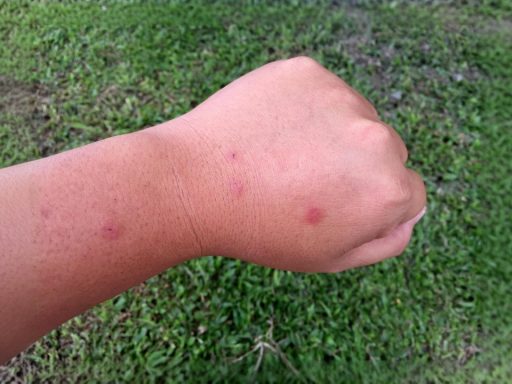
Hives are itchy, raised welts that appear suddenly on the skin. The medical term for hives is urticaria. The welts happen when the body releases histamine and other chemicals into the skin, causing small blood vessels to leak fluid. This guide explains what hives mean, where the medical word comes from, and the related terms you may hear from a doctor.
What Do Hives Mean?
In everyday use, “hives” describes a skin reaction made up of red, pink or skin-colored bumps and patches that itch, sometimes burn, and can change shape or move around within hours. A single welt typically fades within 24 hours, but new ones may keep appearing. Hives can affect any part of the body and people of any age. See our full overview of urticaria for more detail.
The Medical Term for Hives: Urticaria
Doctors call hives urticaria. The word comes from the Latin urtica, meaning stinging nettle, a plant that causes an itchy, welt-like rash when it touches the skin. “Urticaria” and “hives” mean the same thing and are used interchangeably.
Related Terms You May Hear
- Wheal (or weal): the medical word for an individual hive or welt.
- Angioedema: swelling in the deeper layers of the skin, often of the lips, eyelids, hands or feet. It can occur with hives or alone. Learn more about angioedema.
- Histamine: the chemical released in the skin that causes the swelling and itching.
- Antihistamine: a medicine that blocks the effects of histamine and is a common treatment for hives.
- Acute urticaria: hives lasting less than 6 weeks.
- Chronic urticaria: hives that come and go for 6 weeks or longer.
- Idiopathic or spontaneous urticaria: hives with no identifiable cause.
- Inducible (physical) urticaria: hives set off by a specific trigger such as cold, heat, pressure, sunlight or scratching.
Types of Hives
Hives are usually described by how long they last and what sets them off. Acute hives resolve within 6 weeks and are often linked to infections, foods or medications. Chronic hives persist for 6 weeks or longer, often without a clear cause. Physical hives are triggered by something affecting the skin. Browse them all on our types of hives page.
Hives Medical Codes
If you came across the word “hives” on a medical bill or record, doctors use standardized diagnosis codes (ICD-10) to classify urticaria. See our guide to hives ICD-10 codes for the details.
What Hives Are Not
Hives are not contagious, and they are not always an allergic reaction. Allergies are one possible trigger, but infections, heat, cold, pressure, stress and medications can also set them off, and in many chronic cases no cause is ever found.
When to Get Help
Most hives are harmless and short-lived, but get emergency care if hives come with trouble breathing, throat tightness, swelling of the tongue or lips, or fainting. See a doctor if hives last more than a few days or keep returning. Dr. Tiffany Young founded the Hives Treatment Center in San Francisco, a practice focused on diagnosing and treating hives and related conditions.
Frequently Asked Questions About the Meaning of Hives
Is “hives” singular or plural?
The word is usually treated as plural (“the hives are itchy”), but you will also see it used as singular, as in “she has hives.”
Are hives and a rash the same thing?
Hives are one type of rash. They are distinguished by raised, itchy welts that move around and fade within about 24 hours.
What does “chronic hives” mean?
Chronic hives are hives that recur on most days for 6 weeks or longer.
Next Steps
Now that you know what hives mean, the next question is usually how to get relief. Visit our hives treatment page to see the latest treatment options for your outbreak.
This information is for educational purposes only and is not a substitute for professional medical advice, diagnosis or treatment. If you think you are having a medical emergency, call 911.